


11 May Southern Style vs Coastal Style: How to Blend Them Well
Southern Style vs Coastal Style: How to Blend Them Well
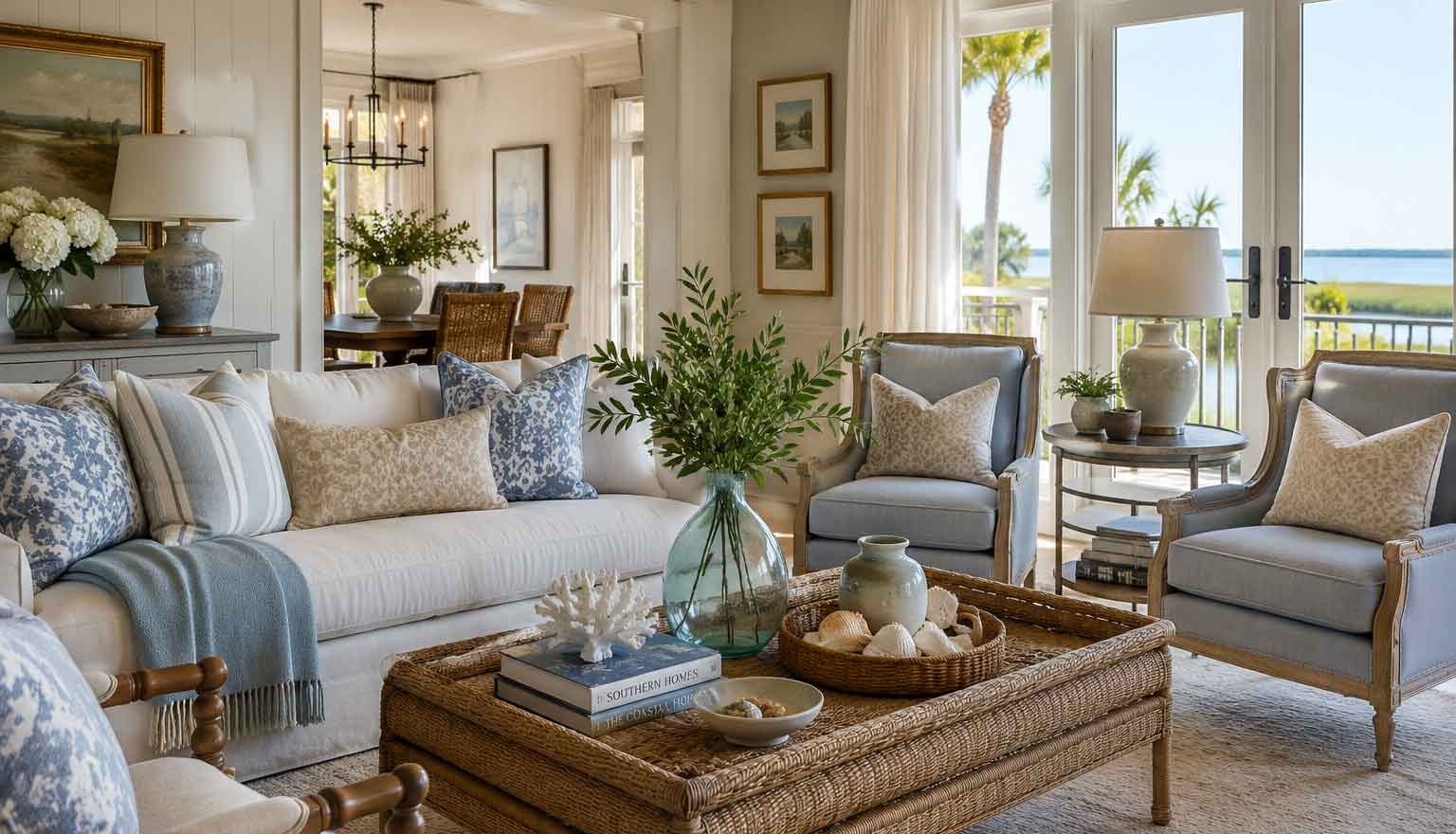
Southern style and coastal style often overlap, but they are not the same. Southern interiors tend to feel more rooted in tradition and hospitality, while coastal interiors usually feel lighter, airier, and more connected to the landscape. When blended well, the result can feel timeless, warm, and beautifully relaxed.
Many homes in the South naturally sit between these two styles. A home near the coast may call for lighter materials and softer palettes, but still benefit from the depth, warmth, and architectural character associated with Southern interiors. The challenge is not deciding which style is “right.” It is understanding what each style brings to the home and how to let them work together without creating confusion.
At Bella Coze Home, we believe the strongest interiors feel layered and natural rather than trend-driven. Through our interior decorating services, we help homeowners create spaces that feel welcoming, refined, and rooted in place.
What Is Southern Style Interior Design?
Southern style is grounded in comfort, hospitality, and architectural character. It often includes classic millwork, layered furnishings, warm palettes, collected pieces, and rooms designed to feel gracious without becoming stiff.
Southern interiors tend to carry more weight and heritage. They may include richer wood tones, traditional details, antiques, and a stronger sense of formality—but ideally softened by livability and ease. If you want a deeper look at that style, read our guide on Southern style interior design.
What Defines Coastal Style?
Coastal style is usually shaped more directly by light, texture, and environment. It often feels softer, quieter, and more open. Natural fibers, airy palettes, weathered tones, and a more relaxed visual rhythm all help create that coastal sense of ease.
Refined coastal interiors are less about obvious beach decor and more about atmosphere. The best homes feel connected to the water and the landscape without relying on themed accessories or decorative shortcuts. That is also what separates a more elevated approach from generic coastal decor, as we cover in our guide to coastal luxury interior design.
How Southern Style and Coastal Style Are Different
The biggest difference is often one of emphasis. Southern style usually leans more architectural, traditional, and layered. Coastal style usually leans lighter, airier, and more restrained. Southern homes often carry more visual history, while coastal homes often feel more influenced by setting and light.
That said, the two styles are not opposites. They share many values: comfort, hospitality, softness, natural materials, and rooms that are meant to feel lived in rather than overly formal.
Where the Two Styles Naturally Overlap
Southern and coastal interiors blend well because both styles value warmth and livability. A coastal home can benefit from more architectural detail and depth. A Southern home can benefit from lighter materials, a softer palette, and a more relaxed rhythm.
That overlap is especially natural in homes near the water or in places where architecture and coastal influence meet. In homes around Hilton Head, for example, the best interiors often borrow from both traditions.
Start With the Architecture of the Home
The architecture should usually decide where the balance begins. A more traditional home with stronger millwork, formal room structure, and historic detailing may need a stronger Southern foundation. A lighter coastal home with larger windows, softer transitions, and more open living areas may be able to lean more coastal.
The goal is not to force a trend onto the house. It is to let the home’s architecture shape the proportions, then use finishes, materials, and furnishings to soften or deepen the overall mood.
Use Southern Style for Warmth and Coastal Style for Ease
A helpful way to blend the two is to think of Southern style as bringing warmth and structure, while coastal style brings lightness and ease. Southern interiors can anchor the home through architectural detail, layered textiles, richer woods, and collected pieces. Coastal influence can lighten the mood through palette, natural fibers, softer materials, and more openness in the way the rooms feel.
When blended well, the result feels grounded without heaviness and airy without feeling too sparse.
Choose a Palette That Bridges Both Styles
The best palette for this mix is usually warm, soft, and layered. Warm whites, sandy neutrals, muted blues, pale greens, driftwood tones, and layered natural textures usually work best because they support both Southern depth and coastal softness.
A room that is too dark can make the home feel more formal than intended. A room that is too stark or overly pale can lose warmth. Layered neutrals with subtle color usually create the strongest bridge between the two styles.
Use Texture Instead of Theme
One of the easiest mistakes when blending styles is becoming too decorative. Instead of trying to “signal” Southern or coastal style through obvious motifs, use texture and materials to carry the design. Linen, wood, rattan, woven elements, plaster, cotton, antique finishes, and classic upholstery shapes can all help create a nuanced interior that feels balanced.
This is also what separates a refined coastal home from a themed one. Our guide on how to make a coastal home feel elevated, not themed goes deeper into that approach.
What Happens When the Blend Goes Wrong?
Usually, the blend breaks down when one style is interpreted too literally. Common issues include:
- rooms that feel too formal and heavy
- coastal references that feel too obvious or generic
- palettes that are either too dark or too starkly pale
- too many decorative signals and not enough material depth
- furniture that feels disconnected from the architecture of the home
The strongest interiors feel cohesive because they are built around atmosphere and proportion rather than visual labels.
The Goal Is Timeless, Not Perfectly Labeled
Homes that blend Southern and coastal style well rarely feel easy to categorize at a glance. That is often a sign the balance is working. Instead of reading as one rigid style, the home feels natural, welcoming, and right for the place it lives in.
This is one reason coastal luxury interior design often overlaps with Southern homes too. Both can feel elevated when they rely on materials, architecture, restraint, and comfort rather than decorative themes.
Final Thoughts
Southern style and coastal style blend beautifully when the home feels layered, warm, airy, and connected to its setting. The point is not to split the difference evenly. It is to give the home what it needs—more structure where it needs grounding, more softness where it needs ease.
When done well, the result is a home that feels timeless, livable, and naturally beautiful without leaning too formal or too themed.
Create a home that feels warm, layered, and naturally connected to place.
Bella Coze Home helps homeowners blend Southern character, coastal softness, and timeless comfort into interiors that feel complete and beautifully lived in. Explore our interior decorating services or schedule a consultation to discuss your home.
Frequently Asked Questions
What is the difference between Southern style and coastal style?
Southern style usually feels more traditional, architectural, and layered, while coastal style tends to feel lighter, airier, and more connected to natural light and setting.
Can Southern and coastal style work together in one home?
Yes. These styles blend well because both value comfort, hospitality, and natural materials. The key is balancing warmth and structure with softness and ease.
What colors work best when blending Southern and coastal style?
Warm whites, sandy neutrals, muted blues, pale greens, driftwood tones, and layered natural textures usually work best because they support both styles.
How do you keep the blend from feeling too formal or too beachy?
Use texture, materials, and proportion rather than obvious themed decor. Keep the architecture in mind, and let the style balance come through the mood of the home rather than decorative labels.
Is this style blend good for homes near the water?
Yes. Homes near the water often benefit from the warmth and structure of Southern style combined with the lighter, softer influence of coastal design.
Sorry, the comment form is closed at this time.