


10 May Coastal Luxury Interior Design: What Makes It Feel Expensive
Coastal Luxury Interior Design: What Makes It Feel Expensive
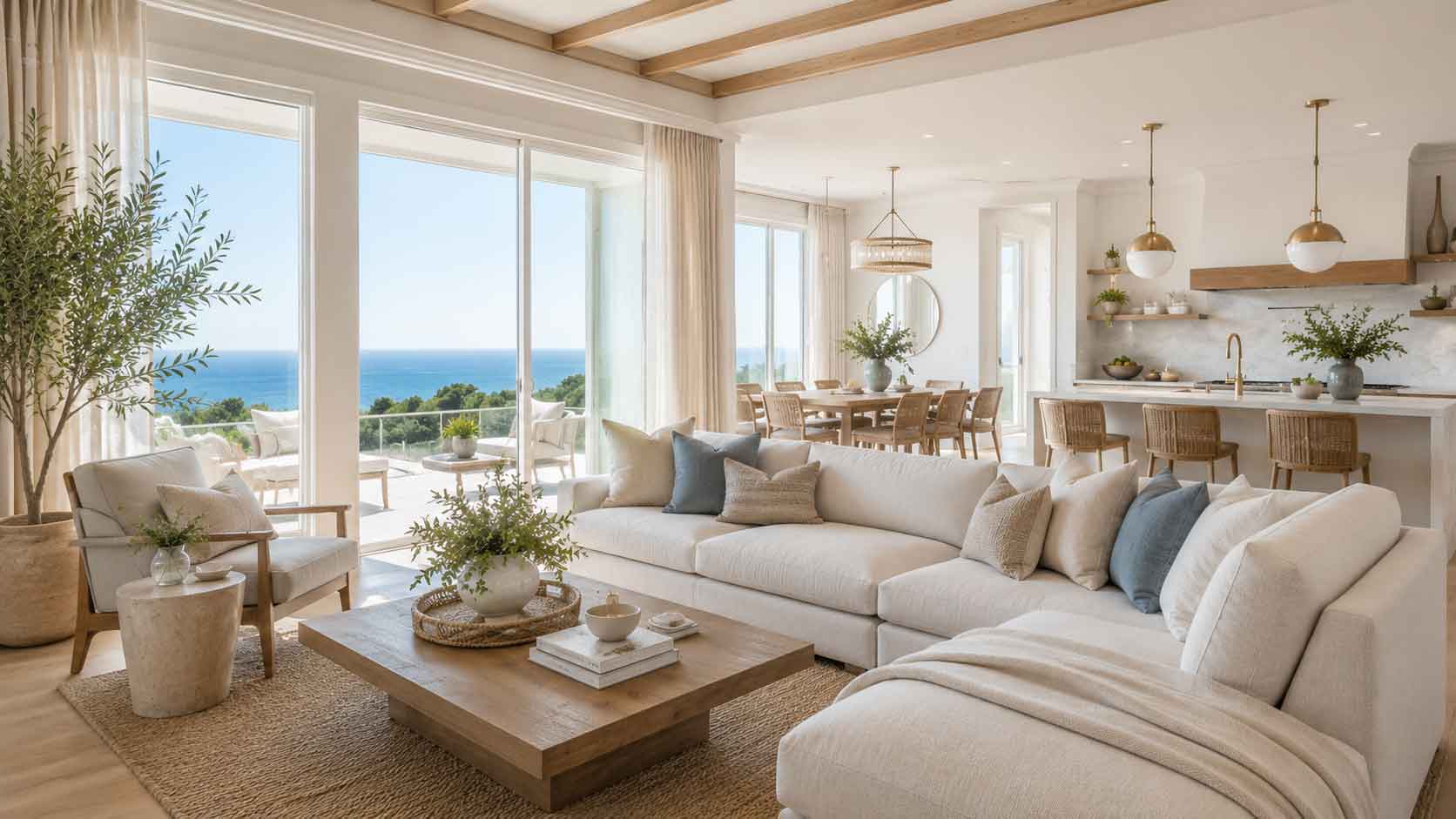
Coastal luxury interior design feels elevated when it is layered, restrained, and deeply connected to the home’s setting. The most beautiful coastal interiors are not overly themed or overly decorated. They feel calm, refined, and quietly expensive.
Luxury coastal interiors are often misunderstood. Many people assume the look comes from bright white rooms, oversized accessories, or obvious beach references. In reality, the homes that feel the most sophisticated rely on balance, texture, proportion, and materials that create depth without visual noise.
At Bella Coze Home, we believe coastal interiors should feel collected, livable, and grounded in place. Through our interior decorating services, we help homeowners create spaces that feel elevated and relaxed at the same time—never generic, never forced.
What Defines Coastal Luxury Interior Design?
Coastal luxury interior design is not simply coastal decor with a bigger budget. It is a more refined interpretation of coastal living—one that uses light, natural materials, layered neutrals, tailored furnishings, and architectural restraint to create an atmosphere that feels both effortless and highly resolved.
The defining quality is not theme. It is polish. A luxury coastal home should feel connected to the water, the landscape, and the rhythm of the location without relying on decorative clichés.
It Starts With Restraint
One of the biggest differences between a basic coastal interior and a luxurious one is restraint. Expensive coastal homes do not usually try too hard. They avoid over-theming, overstyling, and overexplaining the setting.
Rather than filling rooms with shells, signs, rope details, or obvious motifs, refined coastal design lets the environment influence the home in a quieter way. That influence shows up through palette, light, texture, shape, and materials—not decorative shorthand.
Materials Do More Than Decor
The most expensive-feeling coastal interiors rely on materials to create richness. Natural wood tones, linen, stone, plaster, woven textures, tailored upholstery, and subtle metal finishes all add depth without making the room feel busy.
When a home feels luxurious, it is often because the foundational choices are strong. Walls, floors, upholstery, drapery, lighting, and millwork carry the design. Accessories become supporting elements rather than the main event.
The Palette Feels Soft, Not Flat
Luxury coastal interiors often use a quiet palette, but quiet does not mean lifeless. The best rooms layer warm whites, sandy neutrals, muted blues, driftwood tones, soft greens, and natural texture in a way that feels dimensional rather than stark.
A flat white room can feel cold and unfinished. A layered palette feels warmer, calmer, and more elevated. The distinction usually comes from undertones, contrast, texture, and the way materials interact in natural light.
Comfort Has to Feel Intentional
Luxury is never only visual. In a coastal home, it also shows up in how the space feels to live in. Comfortable upholstery, generous seating, thoughtful furniture scale, layered bedrooms, and easy indoor-outdoor flow all contribute to that sense of ease.
The homes that feel truly expensive are not just beautiful to photograph. They are comfortable to spend time in. That balance matters especially in second homes and destination properties, where the home should feel restorative the moment you arrive.
Architecture and Millwork Matter More Than People Realize
Many high-end coastal interiors feel elevated because the architectural framework is doing part of the work. Ceiling details, trim, paneling, built-ins, doors, windows, and proportion all shape the overall impression before furniture or decor ever enters the picture.
In homes with stronger architectural bones, the interiors usually need less decoration to feel complete. That is one reason thoughtful new home selections and finish decisions have such a major impact early in the process.
Luxury Coastal Design Should Feel Connected to Place
The most beautiful coastal homes feel appropriate to where they are. A house in Hilton Head should not feel like a generic beach rental, nor should it feel disconnected from the setting. It should reflect the light, pace, and natural softness of the coast in a way that feels timeless.
That is especially important in second homes. Our work in second home interior design focuses on creating homes that feel refined, welcoming, and complete while still being highly livable and easy to maintain.
What Makes a Coastal Home Look Cheap Instead of Luxurious?
There are a few common mistakes that make coastal interiors feel less elevated:
- overuse of obvious beach-themed decor
- rooms that rely on accessories instead of materials
- flat palettes with little contrast or texture
- lighting that feels weak or builder-basic
- furniture that is too small, too generic, or poorly scaled
- spaces that feel staged but not truly designed
Often, the issue is not that the room is simple. It is that the room lacks depth, finish, and intentionality.
The Difference Between Coastal Luxury and Coastal Theme
Coastal theme announces itself immediately. Coastal luxury reveals itself more slowly. It feels calmer, more resolved, and more sophisticated because the references are subtle and the design decisions are stronger.
If you are also furnishing a rental or guest-facing property, this same principle applies. Our guide on how to design a luxury short-term rental without looking generic explores the same idea from a hospitality perspective.
Final Thoughts
Coastal luxury interior design feels expensive when the home is layered, restrained, comfortable, and deeply tied to its setting. It is less about obvious decor and more about the quality of the decisions underneath the surface.
The most successful coastal interiors feel calm, refined, and lasting. They create atmosphere through materials, proportion, light, and thoughtful restraint—not through trend-driven styling or decorative excess.
Create a coastal home that feels refined, livable, and beautifully resolved.
Bella Coze Home designs elevated coastal interiors for homeowners who want warmth, comfort, and timeless sophistication. Explore our interior decorating services or schedule a consultation to discuss your home.
Frequently Asked Questions
What makes coastal interior design feel luxurious?
Luxury coastal interiors feel layered, restrained, and connected to place. Better materials, stronger lighting, thoughtful furniture scale, architectural detail, and subtle references to the setting all contribute to a more elevated result.
How do you make a coastal home look expensive without overdecorating?
Focus on materials, palette, lighting, texture, and proportion rather than accessories. A restrained room with better foundational choices usually feels more luxurious than one filled with themed decor.
What makes a coastal room look cheap?
Over-themed decor, generic furniture, weak lighting, flat color palettes, and too much reliance on accessories can make a coastal room feel less elevated.
Can coastal interiors still feel warm and livable?
Yes. The best coastal interiors combine refinement with comfort. They should feel calm and beautiful, but also welcoming and easy to live in.
Is coastal luxury interior design right for second homes?
Yes. Coastal luxury design works especially well in second homes because it balances sophistication, relaxation, and a strong connection to the setting.
Sorry, the comment form is closed at this time.