


09 May Interior Design for Short-Term Rentals: What Actually Increases Bookings
Interior Design for Short-Term Rentals: What Actually Increases Bookings
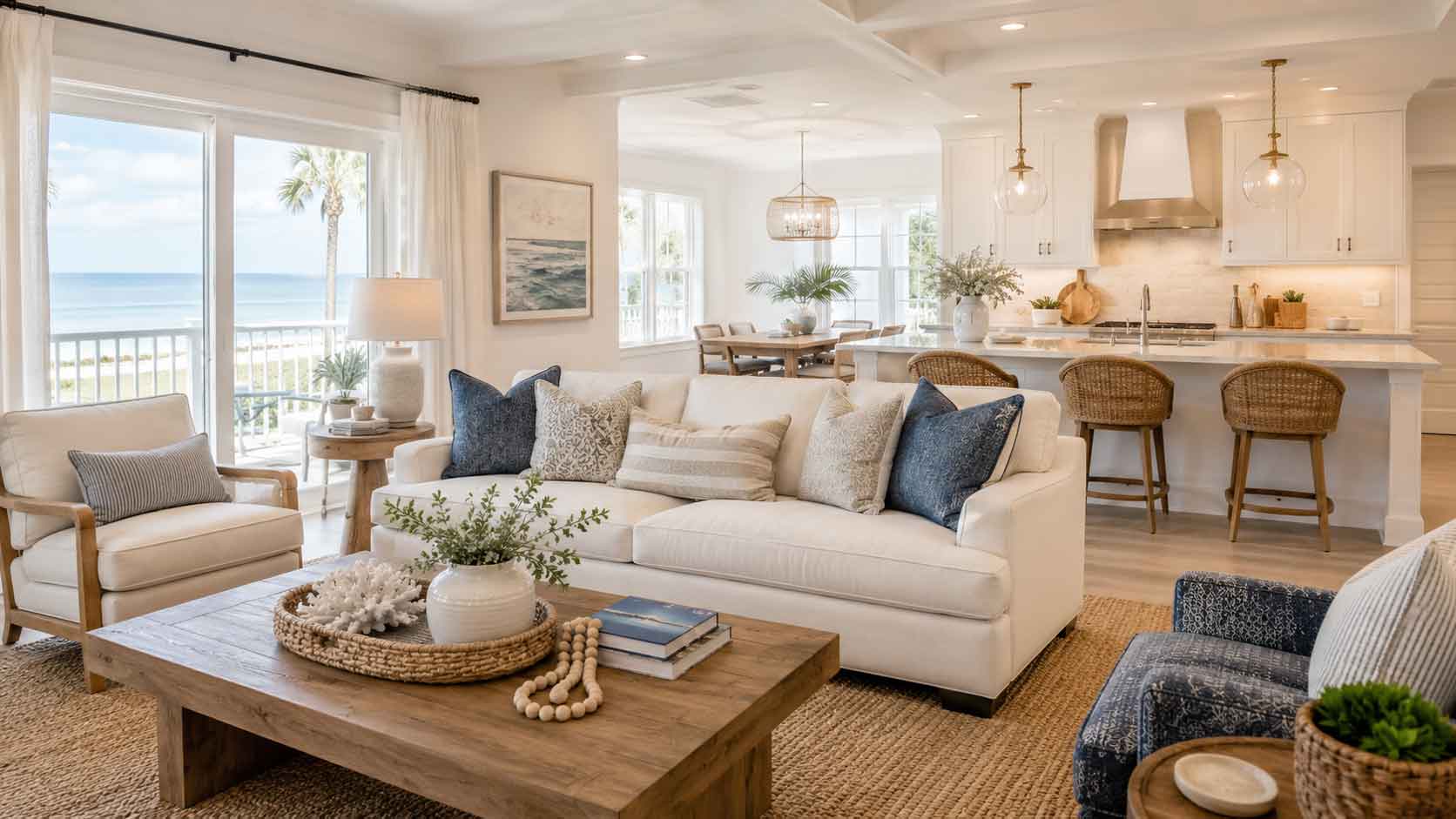
Interior design for short-term rentals can directly affect bookings, guest satisfaction, and repeat stays. The best-performing rentals balance visual appeal, comfort, durability, and thoughtful details that make the home feel elevated rather than generic.
Designing a short-term rental is different from designing a primary residence. The space has to photograph well, feel welcoming to a wide range of guests, hold up to repeated use, and create a strong enough first impression to stand out in a crowded market.
At Bella Coze Home, we believe successful rental design is about more than pretty finishes. The homes that perform best feel intentional, comfortable, and memorable from the first photo to the final day of a guest’s stay. Through our interior decorating services, we help homeowners create spaces that are both beautiful and highly functional.
Why Design Matters in Short-Term Rentals
Guests are often making fast decisions. Before they ever read the full description, they are responding to the photos, the mood of the space, and whether the home feels polished, comfortable, and worth the rate.
Strong design helps a rental:
- stand out in listing photos
- support higher perceived value
- create a better guest experience
- generate stronger reviews
- encourage repeat bookings and referrals
In other words, design affects both conversion and reputation.
What Actually Increases Bookings?
The short answer is this: rentals book better when they feel clean, cohesive, comfortable, and visually distinct. Guests want a home that feels easy to enjoy and easy to trust.
That usually comes down to a handful of design decisions done well.
1. A Strong First Impression in Photos
Most bookings begin with the images. If the home feels dark, cluttered, generic, or inconsistent, guests move on quickly. The most effective short-term rentals photograph with clarity and confidence.
That means prioritizing:
- good natural and layered lighting
- a cohesive color palette
- furniture scaled properly to the room
- clean styling with enough warmth and texture
- at least one memorable visual moment in key rooms
The goal is not overdecorating. It is creating rooms that immediately feel elevated and easy to imagine staying in.
2. Layouts That Feel Easy and Comfortable
Beautiful rooms alone do not drive great reviews. Guests also respond to how a home functions. Awkward furniture placement, poor circulation, insufficient seating, or a lack of surfaces for everyday use can quietly weaken the experience.
The highest-performing rentals tend to have layouts that feel intuitive. Guests should be able to arrive and immediately understand how to relax, gather, dine, work, and get ready for the day.
That includes:
- comfortable seating in living areas
- bedrooms that feel restful, not overcrowded
- dining spaces that make sense for the occupancy
- nightstands, lamps, hooks, and luggage space where needed
- clear flow between indoor and outdoor living areas
3. Durability That Does Not Feel Basic
One of the most common mistakes in rental design is assuming durability means sacrificing style. In reality, the best short-term rentals use materials and furnishings that are both resilient and refined.
Performance fabrics, washable textiles, durable rugs, quality case goods, and practical finishes all help a home stay beautiful longer. Good design for rentals is about selecting pieces that can handle real use without making the home feel utilitarian.
Done well, durability is invisible. Guests simply experience a home that still feels fresh, comfortable, and well cared for.
4. Beds, Bedding, and Bedroom Design That Feel Worth the Stay
Bedrooms play an outsized role in reviews. Guests may forgive many things, but they are far less forgiving about poor sleep, weak lighting, or rooms that feel sparse and uncomfortable.
Simple upgrades often make a major difference:
- quality mattresses and supportive pillows
- layered bedding that feels clean and inviting
- nightstands on both sides when possible
- reading lamps or bedside lighting
- blackout options or privacy-focused window treatments
When a bedroom feels restful and thoughtfully finished, the entire home feels more premium.
5. Kitchens and Baths That Feel Clean, Bright, and Reliable
Guests notice kitchens and bathrooms quickly. These spaces do not need to be extravagant, but they do need to feel polished, functional, and dependable.
In many rentals, improving these rooms is less about full renovation and more about better execution: lighting, hardware, styling, storage, mirrors, paint, fixtures, and a cleaner overall presentation.
These rooms should feel easy to use and easy to trust.
6. Design That Matches the Market and Location
The most successful rentals do not look the same everywhere. A home in Hilton Head should not feel like a downtown loft, and a second home in a coastal setting should not feel disconnected from its surroundings.
Design works best when it reflects the location in a subtle, elevated way. In a vacation market, that often means interiors that feel relaxed, layered, and regionally appropriate without becoming themed.
This is especially important for second homes and destination properties, where guests want both comfort and a sense of place. That is one reason strong new home selections and furnishing decisions matter so much early on.
7. Details That Improve the Guest Experience
Good design is not just visual. It supports how people actually live in the space for a few days at a time. The best-performing rentals usually include thoughtful details that remove friction and make the stay feel easy.
- plenty of lighting at different levels
- entry storage and drop zones
- mirrors where guests need them
- convenient bedside charging access
- comfortable outdoor seating
- durable but attractive dining and lounge furniture
These choices may not seem dramatic, but they influence reviews, comfort, and how memorable the stay feels.
What Hurts Bookings?
Just as good design can strengthen performance, weak design can quietly reduce it. Common issues include:
- rooms that feel too generic or impersonal
- poor lighting and weak listing photos
- furniture that looks inexpensive or mismatched
- overly themed decor that feels dated quickly
- layouts that do not support the number of guests
- bedrooms that feel sparse, dark, or uncomfortable
- too many decorative choices and not enough practical function
In a competitive market, guests often compare listings quickly. Design problems do not always announce themselves directly, but they can lower perceived value almost immediately.
For a closer look at the design issues that quietly lower satisfaction after the stay begins, read our guide on vacation rental design mistakes that hurt guest reviews.
Second Homes and Short-Term Rentals Need a Different Design Approach
Many short-term rentals are also second homes, which means the design has to serve multiple roles. It has to feel inviting for guests, practical for turnover and maintenance, and still personal enough for the owner to enjoy.
That balance is exactly where intentional design matters most. If you are furnishing a destination property, our approach to second home interior design can help create a home that performs well without sacrificing comfort or character.
Final Thoughts
Interior design for short-term rentals should do more than look good. It should help the home photograph beautifully, function effortlessly, feel comfortable for guests, and support stronger bookings over time.
The best rental interiors do not feel generic, flimsy, or overly styled. They feel inviting, durable, and memorable — the kind of spaces guests are excited to book and happy to review well.
Design a short-term rental that stands out for the right reasons.
Bella Coze Home helps homeowners create refined, livable interiors that support both beauty and usability. Learn more about our interior decorating services or schedule a consultation to discuss your property.
Frequently Asked Questions
Does interior design really affect short-term rental bookings?
Yes. Design affects listing photos, guest expectations, perceived value, comfort, and reviews. A well-designed rental is more likely to stand out and convert browsers into bookings.
What matters most in short-term rental design?
The most important factors are strong first impressions, comfortable layouts, durable materials, quality bedrooms, functional kitchens and baths, and thoughtful guest-friendly details.
Should a short-term rental feel luxurious or practical?
It should feel both. The best rentals combine polish and comfort with durability and ease of use. Guests want a space that feels elevated, but also easy to live in.
What design mistakes hurt guest reviews?
Common issues include poor lighting, uncomfortable seating, weak bedding, generic styling, clutter, and layouts that do not support how guests actually use the home.
How do you make a rental feel memorable without overdecorating?
Focus on cohesive design, better materials, warm lighting, layered textures, and a few distinctive details. The goal is a home that feels thoughtful and elevated, not over-styled.
Sorry, the comment form is closed at this time.